
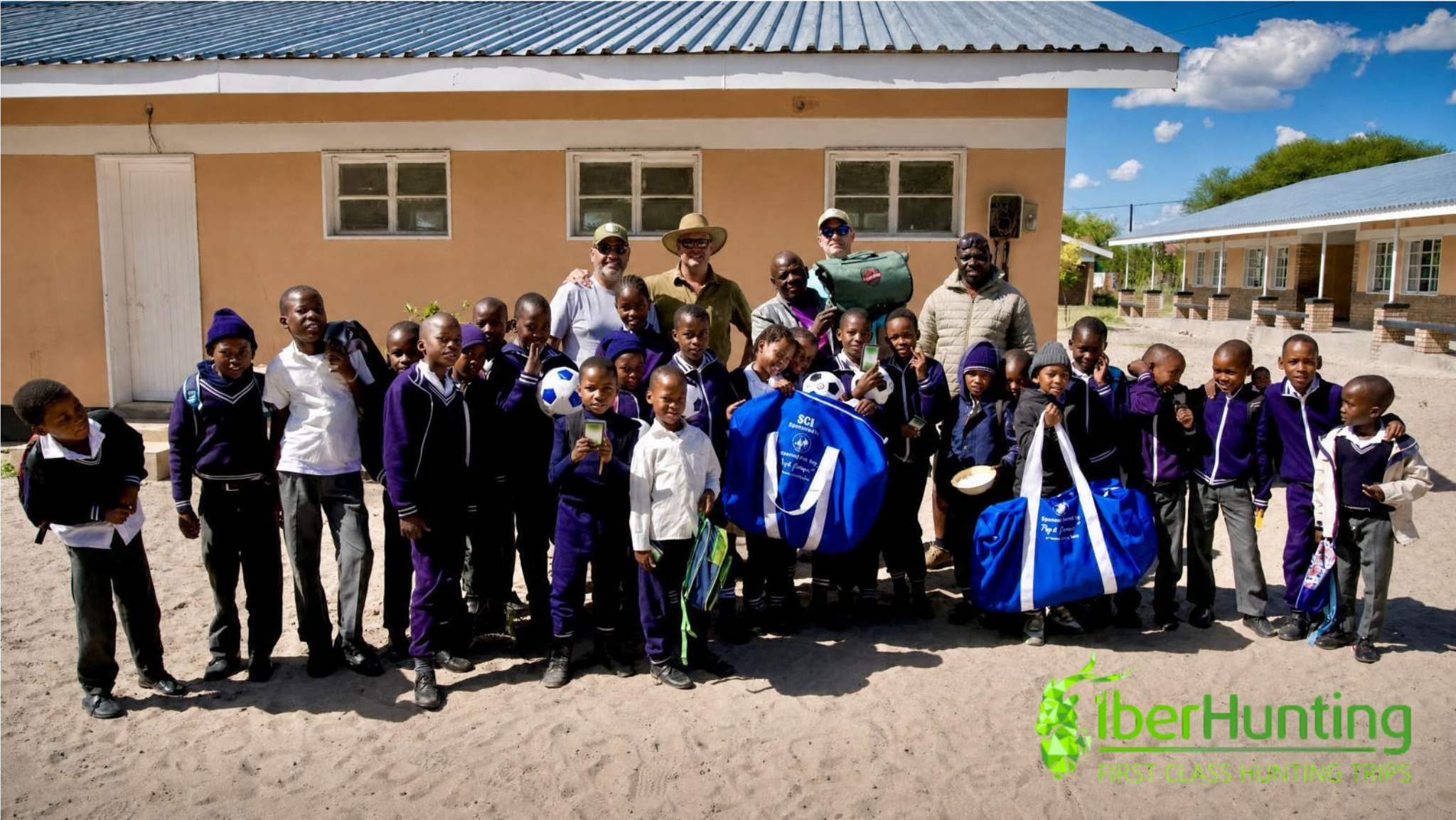
Around the world, ethical hunting plays a much larger role than many people realize. Beyond providing unforgettable outdoor experiences, regulated hunting helps protect wildlife, conserve natural habitats and improve the lives of rural communities that coexist with wild animals every day.
When hunting is properly managed, it becomes one of the most effective conservation tools available. Revenue generated through hunting licenses, permits and guided safaris contributes to habitat management, scientific research, wildlife monitoring, anti-poaching operations and community development.
At the same time, sustainable hunting creates economic opportunities in remote areas where wildlife represents one of the few long-term natural resources capable of generating income without destroying the environment.
Conservation is not only about protecting animals. It is also about protecting the people who share their land with wildlife.
Why Ethical Hunting Matters
Conservation Requires Sustainable Wildlife Management
Healthy wildlife populations cannot be maintained simply by protecting land.
Successful conservation requires continuous management based on scientific monitoring, population control and habitat preservation.
In many countries, regulated hunting forms part of this management strategy by ensuring wildlife populations remain healthy while generating financial resources that are reinvested directly into conservation.
Unlike illegal wildlife exploitation, ethical hunting operates under strict quotas, defined seasons and biological studies designed to maintain sustainable populations for future generations.
Wildlife Has Value When Communities Benefit
One of the greatest conservation challenges is ensuring that local people benefit from protecting wildlife.
If animals only create crop damage, livestock losses or safety concerns without providing any economic return, local support for conservation naturally declines.
When wildlife generates employment, food, education and income through responsible hunting programs, communities have a strong incentive to protect both the animals and their habitats.
This relationship between conservation and local development has become one of the foundations of modern wildlife management.
Hunting Creates Real Benefits for Rural Communities
Beyond the Trophy
Ethical hunting is often misunderstood because public discussions focus almost exclusively on the trophy itself.
In reality, every regulated hunt produces a much broader chain of benefits.
Professional guides, trackers, cooks, drivers, lodge staff, skinners, taxidermists, veterinarians and local suppliers all depend on sustainable hunting tourism.
Many remote regions have few alternative economic opportunities capable of supporting local employment while preserving natural ecosystems.
Responsible hunting helps create stable jobs without replacing wildlife with agriculture or urban development.
Supporting Families Through Conservation
The benefits often extend far beyond direct employment.
Income generated by hunting concessions may support schools, healthcare, roads, water infrastructure and other community projects.
In many areas, legally harvested meat is distributed among nearby villages, providing an important source of high-quality protein for families that may otherwise have limited access to nutritious food.
This demonstrates that conservation can create social value while maintaining healthy wildlife populations.
The Botswana Example
Conservation That Feeds Communities
A recent initiative in Botswana provides an excellent example of how ethical hunting can contribute to both conservation and local development.
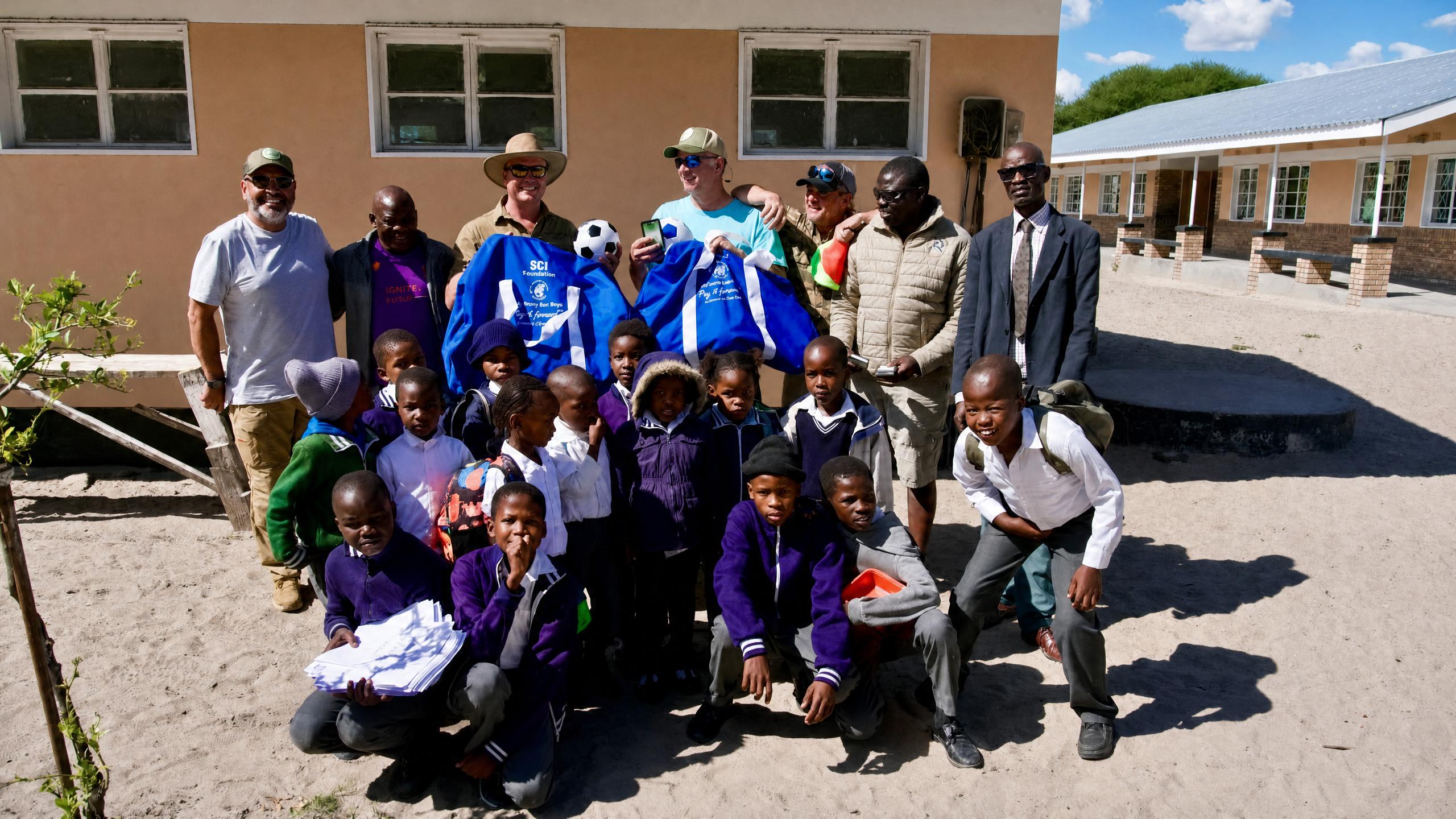
Following a legally regulated hunt conducted under national wildlife management policies, meat from the harvested animal was distributed to local communities, helping provide food for more than 1,500 people.
At the same time, school supplies and sports equipment were delivered to children living in the area.
These actions demonstrate that conservation extends beyond protecting wildlife alone.
Responsible hunting can directly improve quality of life for the people who coexist with these animals every day.
Building Long-Term Community Support
When local communities experience tangible benefits from wildlife conservation, they become active participants in protecting natural resources.
Instead of viewing wildlife as a burden, many communities begin to see animals as valuable assets worth conserving for future generations.
This positive relationship helps reduce conflicts between people and wildlife while encouraging sustainable management practices.
Hunting Helps Protect Wildlife Habitat
Conserving Land Instead of Converting It
Wildlife depends on healthy ecosystems.
One of the greatest threats facing many species today is habitat loss caused by agriculture, infrastructure development and urban expansion.
Land dedicated to sustainable hunting often remains undeveloped because wildlife represents its greatest long-term value.
As a result, large natural landscapes continue supporting countless species beyond those that are actually hunted.
Birds, predators, insects, reptiles and countless plant species all benefit from protected habitat.
Healthy Ecosystems Benefit Every Species
Conservation does not focus on a single animal.
Maintaining healthy forests, mountains, wetlands and grasslands supports entire ecosystems.
Protecting habitat for one species frequently benefits dozens of others that share the same environment.
This ecosystem approach is one of the most important contributions made by responsible wildlife management.
Funding Anti-Poaching Efforts
Conservation Requires Financial Resources
Protecting wildlife is expensive.
Governments, conservation organizations and private landowners all require funding to patrol protected areas, monitor wildlife populations and combat illegal poaching.
Revenue generated through regulated hunting often contributes directly to these activities.
Without sustainable financing, many conservation areas would struggle to maintain effective protection against illegal wildlife crime.
Ethical Hunting and Illegal Poaching Are Completely Different
It is essential to distinguish ethical hunting from poaching.
Ethical hunting operates within legal frameworks based on biological science, government regulation and sustainable quotas.
Poaching ignores all wildlife management principles and threatens the survival of vulnerable populations.
Confusing these two activities creates misunderstanding about the role responsible hunting can play in conservation.
Conservation Supports Biodiversity
Managing Wildlife Populations Responsibly
Wildlife populations naturally fluctuate over time.
Scientific management allows authorities to determine sustainable harvest levels that maintain healthy age structures, balanced populations and long-term genetic diversity.
Population management may also reduce disease transmission and minimize conflicts between wildlife and nearby communities.
Protecting Entire Ecosystems
Successful conservation programs rarely focus on a single species.
Instead, they seek to preserve functioning ecosystems capable of supporting predators, herbivores, scavengers and countless smaller organisms.
Responsible hunting contributes to these broader conservation objectives when it forms part of scientifically managed wildlife programs.
Ethical Hunting and Sustainable Tourism
Conservation Generates Economic Value
Wildlife tourism includes photography, birdwatching, safaris and hunting.
Each activity contributes differently depending on the location, available infrastructure and wildlife species.
In remote regions where photographic tourism may not generate sufficient income, regulated hunting can provide an additional conservation funding source.
Diversifying tourism opportunities helps strengthen the long-term protection of natural areas.
Investing in Future Generations
Many hunting operators actively support conservation education, environmental awareness and local development initiatives.
These investments help ensure that future generations understand the value of preserving wildlife while creating opportunities for sustainable economic growth.
Common Misconceptions About Hunting and Conservation
Hunting Does Not Mean Population Decline
One of the most common misconceptions is that all hunting automatically reduces wildlife populations.
In reality, regulated hunting is based on scientific population assessments designed to ensure sustainability.
Only a very small percentage of animals are harvested under carefully established quotas.
The objective is not to reduce wildlife but to maintain healthy populations over time.
Conservation Is More Than Protecting Individual Animals
Conservation focuses on preserving species, habitats and ecosystems.
While individual animals are important, long-term management considers the health of entire populations and the environments they depend upon.
Responsible hunting can contribute to these wider conservation goals when carried out under appropriate scientific management.
Frequently Asked Questions About Hunting and Conservation
Does Hunting Really Help Conservation?
When properly regulated, hunting can provide important financial resources for habitat protection, wildlife management, scientific research and anti-poaching efforts.
How Does Hunting Help Local Communities?
Responsible hunting creates employment, generates income, supports infrastructure projects and often provides meat to rural communities living alongside wildlife.
What Is Ethical Hunting?
Ethical hunting follows legal regulations, respects wildlife, supports conservation and prioritizes sustainable population management rather than maximizing harvest numbers.
Is Hunting Better Than Poaching?
Poaching is illegal and threatens wildlife populations.
Ethical hunting is regulated, scientifically managed and designed to support long-term conservation.
The two activities are fundamentally different.
Can Conservation Exist Without Local Communities?
Long-term conservation is difficult without community support.
When local people benefit economically from protecting wildlife, they are more likely to participate actively in conservation efforts.
The Future of Wildlife Conservation Depends on Collaboration
Conservation Requires People, Wildlife and Responsible Management
The future of wildlife conservation depends on cooperation between governments, scientists, conservation organizations, local communities and responsible hunters.
No single group can protect wildlife alone.
Successful conservation combines scientific knowledge with practical management and sustainable economic opportunities.
Ethical Hunting Can Create Positive Change
Responsible hunting is not simply about harvesting an animal.
When carried out ethically and under proper regulation, it becomes part of a much larger conservation model that protects ecosystems, supports biodiversity and improves the lives of people living alongside wildlife.
The recent example from Botswana reminds us that conservation is ultimately about creating a future where both wildlife and communities can thrive together
How to Plan a Hunting Trip to Spain
Choose Your Preferred Species
The best starting point is deciding which species or hunting achievement is most important.
A hunter interested in Spanish Ibex should determine whether the goal is one specific variety or the complete Spanish Ibex Grand Slam.
A client seeking a multi-species European experience may prefer a combination involving deer, mouflon, chamois or wild boar.
Select the Correct Region and Season
Once the species has been chosen, the outfitter can recommend the most suitable region and travel period.
Weather, terrain, animal activity, license availability and the hunter’s physical condition can all influence the final decision.
Prepare Documents in Advance
International travel involving firearms, licenses and trophy documentation requires advance preparation.
Hunters should provide the requested information promptly and follow the instructions of the outfitter.
Requirements may change, so all information should be confirmed for the specific trip rather than relying on advice from a previous international hunt.
Prepare Physically and Practise Shooting
Many hunting trips in Spain involve mountain terrain.
Walking on steep or uneven ground, climbing between observation points and maintaining concentration during long glassing sessions can require good physical preparation.
Hunters should also practise shooting from field positions and at the realistic distances discussed with their guide.
Frequently Asked Questions About Hunting in Spain
Can Americans Hunt in Spain?
Yes. American hunters can hunt legally in Spain when the trip is organized according to the applicable licensing, insurance and firearm requirements.
Working with an experienced outfitter simplifies the process because the local team can coordinate the necessary arrangements and explain which documents must be completed before travel.
What Is the Most Famous Animal to Hunt in Spain?
Spanish Ibex is Spain’s most internationally recognized hunting animal.
The four principal varieties are Gredos, Beceite, Southeastern and Ronda Ibex.
Hunters who obtain all four complete the Spanish Ibex Grand Slam.
What Other Big Game Can Be Hunted in Spain?
Depending on the region and season, hunters may pursue red stag, fallow deer, mouflon, roe deer, wild boar, Cantabrian Chamois, Pyrenean Chamois and Balearian Boc.
What Is the Best Time for Hunting in Spain?
The best period depends on the species and hunting region.
Autumn and winter are especially popular for Spanish Ibex and red stag, while certain mountain programs may also be available during spring.
The final dates should always be selected according to the specific hunting objective.
Can I Bring a Non-Hunting Companion?
Yes. Spain is an excellent destination for hunters traveling with non-hunting companions.
Accommodation, cultural visits, gastronomy and additional sightseeing can be included in the itinerary.
Is Hunting in Spain Physically Difficult?
The difficulty varies depending on the species, area and hunting method.
Some ibex and chamois programs require demanding mountain stalking, while other hunting experiences may be more accessible.
Hunters should discuss their physical condition honestly so the outfitter can recommend a suitable program.
Plan Your Hunting Trip to Spain With IberHunting
A Premium Guided Hunting Experience
Hunting in Spain gives international hunters the opportunity to pursue exceptional European trophies while enjoying professional guiding, quality accommodation and one of the world’s most rewarding travel destinations.
Whether your objective is a Gredos Ibex, the complete Spanish Ibex Grand Slam, a high-mountain chamois hunt or a multi-species package, selecting the correct region and season is essential.
IberHunting organizes personalized guided hunts for American and international clients, helping coordinate the hunting program, local guides, accommodation, transportation and documentation.
Start Planning Your Spanish Hunting Adventure
The first step is to define your preferred species, travel dates, physical expectations and trophy objectives.
From there, the IberHunting team can recommend the most suitable hunting area and prepare a personalized itinerary.
Spain offers much more than a successful hunt.
It offers mountains, wildlife, culture, gastronomy and personal experiences that remain memorable long after the journey ends.
For hunters searching for a premium European adventure, hunting in Spain deserves a place at the top of the list.
Contact the IberHunting team to start planning your hunting trip to Spain.