
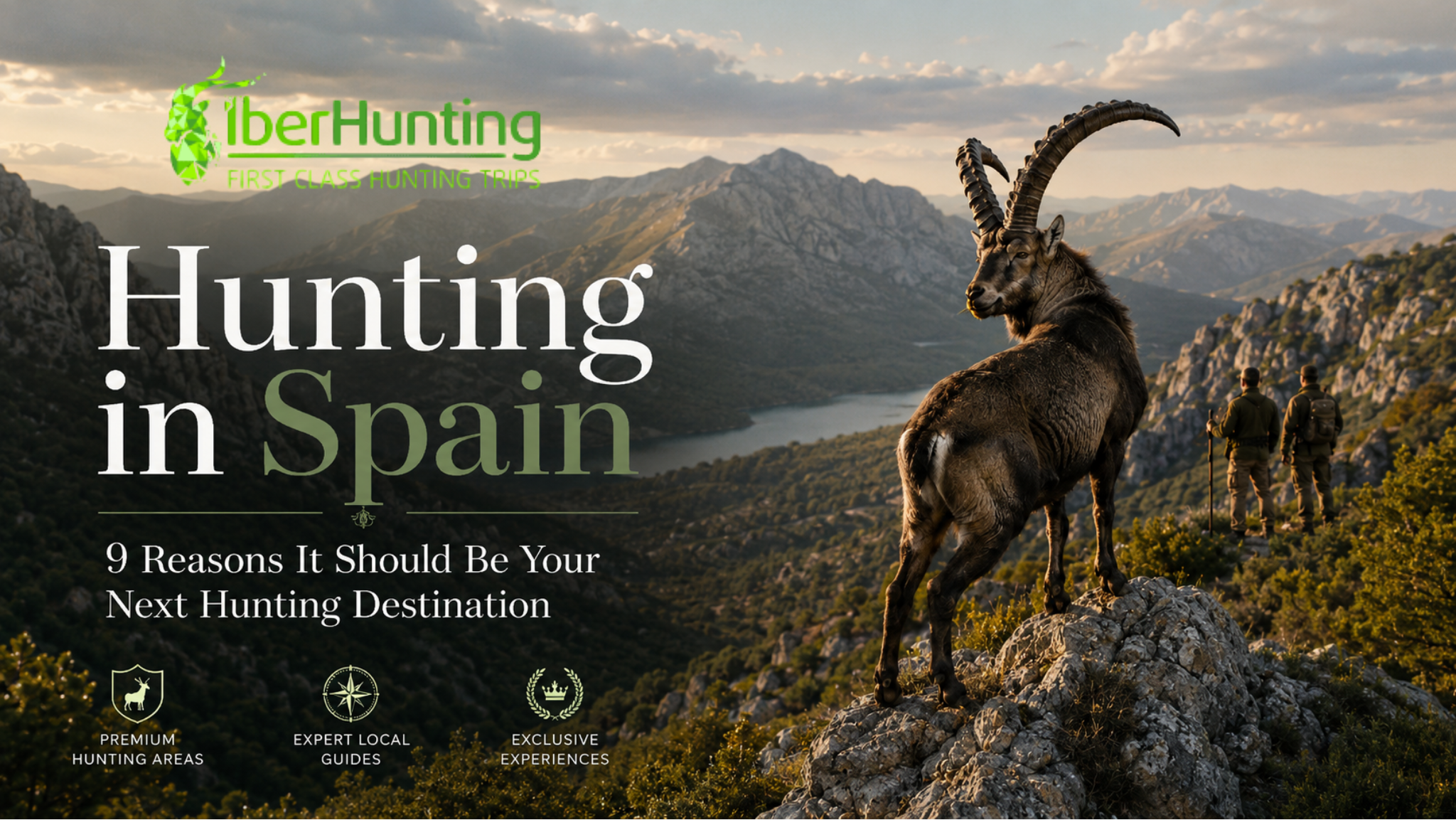
Hunting in Spain offers international hunters a unique combination of challenging mountain stalking, distinctive big-game species, professional guiding, premium accommodation and some of the most impressive landscapes in Europe.
From the granite peaks of the Sierra de Gredos to the Mediterranean mountains of Andalusia, every Spanish hunting region offers a different experience. Hunters can pursue one of the four Spanish Ibex varieties, work toward completing the Spanish Ibex Grand Slam or combine mountain hunting with red stag, fallow deer, mouflon, chamois and other European big game.
For American hunters planning their next international adventure, Spain provides much more than a trophy. It offers a complete travel experience based on hunting, culture, gastronomy, hospitality and carefully organized service.
Why Hunting in Spain Stands Out in Europe
Remarkable Variety of Hunting Landscapes
Spain is one of the most geographically diverse hunting destinations in Europe.
A hunting trip may take place among high granite mountains, Mediterranean woodland, open valleys, rocky ridges or the green landscapes of northern Spain.
The Sierra de Gredos offers a classic high-mountain environment in central Spain. Eastern Spain provides the rugged habitat of the Beceite Ibex, while Andalusia offers warmer Mediterranean conditions for Southeastern and Ronda Ibex hunting.
In northern Spain, the Cantabrian Mountains and the Spanish Pyrenees offer demanding chamois hunting surrounded by dramatic alpine scenery.
This diversity means that hunting in Spain never feels like a standardized experience. Every destination presents its own terrain, climate, wildlife and hunting traditions.
Traditional Hunting With Premium Service
Spain has a deeply established hunting culture, but modern guided hunting trips are organized around the expectations of international clients.
A professional outfitter can coordinate the hunting area, licenses, insurance, local guides, transportation, accommodation and trophy preparation.
This allows the hunter to concentrate on the experience instead of managing complicated local arrangements independently.
Premium programs may also include airport reception, private transfers, quality hotels, regional gastronomy and personalized itineraries for hunters traveling with non-hunting companions.
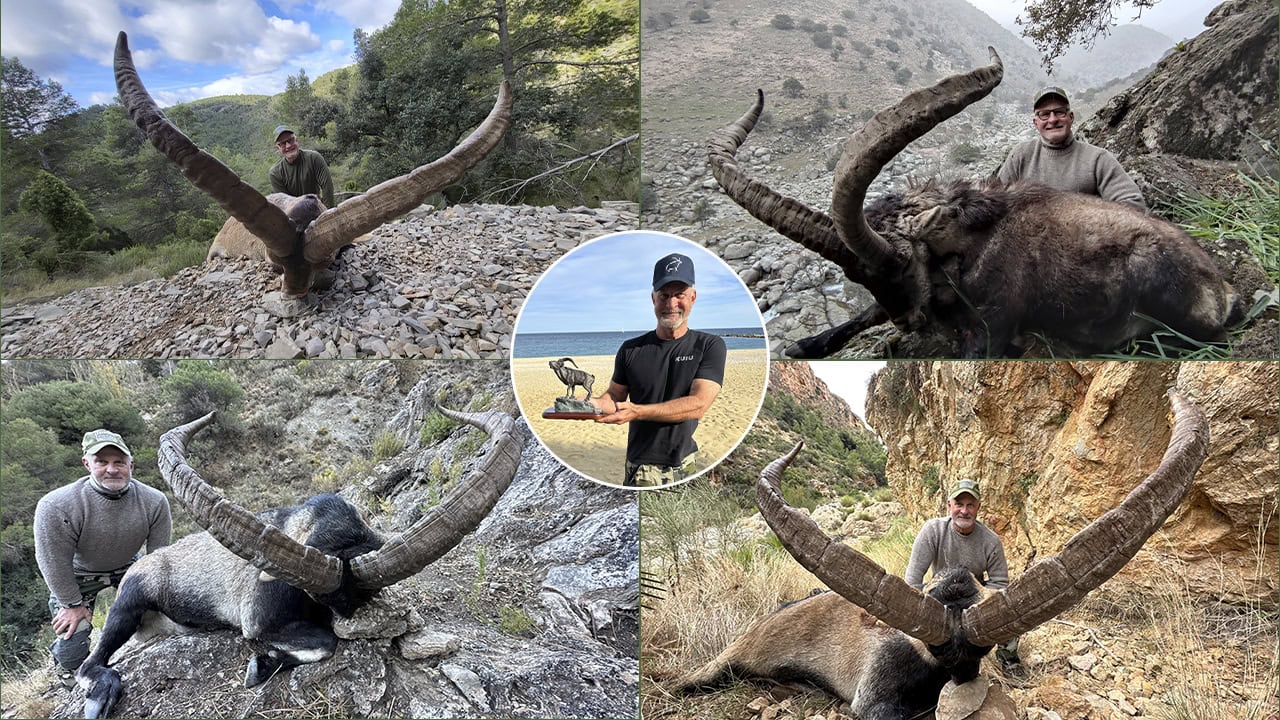
1. Spain Is Home to Four Distinctive Ibex Trophies
Gredos Ibex Hunting
The Gredos Ibex is generally considered the largest and one of the most recognizable of the four Spanish Ibex varieties.
It inhabits the Sierra de Gredos in central Spain, where hunters experience traditional mountain stalking among granite slopes, valleys and elevated observation points.
The region is internationally known for excellent trophy opportunities and convenient access from Madrid.
This makes Gredos an attractive choice for hunters who want a serious mountain experience without requiring complicated internal travel.
Beceite Ibex Hunting
The Beceite Ibex is found in the mountainous areas of eastern Spain.
Its horns frequently develop a distinctive shape that makes this variety easy to recognize among experienced international hunters.
The terrain includes steep rocky slopes, Mediterranean vegetation and extensive glassing areas.
A Beceite hunt combines demanding mountain stalking with the historic towns, regional cuisine and landscapes of eastern Spain.
Southeastern Ibex Hunting
The Southeastern Ibex inhabits mountainous terrain across southeastern Spain.
This hunt takes place in a Mediterranean environment characterized by rocky ridges, dry mountainsides and changing elevations.
The open landscape can provide excellent glassing opportunities, but approaching a mature ibex still requires patience, careful planning and precise stalking.
The Southeastern Ibex offers a completely different experience from the central and northern Spanish mountain hunts.
Ronda Ibex Hunting
The Ronda Ibex is the smallest of the four Spanish Ibex varieties and is associated with the mountains of southern Spain.
It is hunted in Andalusia, particularly in areas around Málaga and neighboring mountain ranges.
Its distinctive horn development and limited geographical distribution make it an essential trophy for hunters pursuing the Spanish Ibex Grand Slam.
The hunting experience can also be combined with the Mediterranean coastline, cultural attractions and traditional gastronomy of southern Spain.
2. Hunters Can Complete the Spanish Ibex Grand Slam
Four Ibex Varieties in One Hunting Goal
The Spanish Ibex Grand Slam requires the hunter to pursue the Gredos, Beceite, Southeastern and Ronda Ibex.
Each variety occupies a different geographical area and presents its own horn characteristics, terrain and hunting conditions.
For many international mountain hunters, completing all four is one of the most important hunting achievements available in Europe.
A Grand Slam program may be completed over several separate trips or, depending on licenses, availability and logistics, as a premium multi-region hunting experience.
A Journey Through Several Regions of Spain
The Spanish Ibex Grand Slam is not only about obtaining four trophies.
It allows the hunter to travel across Spain and experience the differences between central mountain ranges, eastern Mediterranean terrain and the landscapes of Andalusia.
Every stage introduces new scenery, accommodation, regional cuisine and local hunting traditions.
This makes the Grand Slam especially attractive to hunters who value travel, culture and personal experience as much as the hunt itself.
3. Spain Offers Much More Than Ibex
Red Stag, Fallow Deer and Mouflon
Although Spanish Ibex hunting receives significant international attention, Spain also offers excellent opportunities for other European big-game species.
Red stag hunting can take place during the rut or as part of a professionally managed hunting program.
Hunters may also pursue fallow deer and mouflon individually or include them in a multi-species package.
These combinations are ideal for hunters who want to obtain several European trophies without traveling between different countries.
Cantabrian and Pyrenean Chamois
Spain is home to both Cantabrian and Pyrenean Chamois.
Cantabrian Chamois hunting takes place in the mountains of northern Spain, particularly in León and the Cantabrian range.
The experience involves glassing and stalking through steep, demanding mountain terrain.
Pyrenean Chamois hunting offers another challenging high-mountain adventure in the Spanish Pyrenees.
Hunters can expect changing weather, extensive mountain views and a classic European alpine environment.
Both species are excellent choices for hunters looking for a technically demanding mountain hunt beyond Spanish Ibex.
Balearian Boc Hunting in Mallorca
The Balearian Boc is a distinctive hunting opportunity available on the island of Mallorca.
Recognized trophy animals are associated with the island’s historic wild-goat population and are hunted in areas such as the Tramuntana Mountains.
This program can combine mountain hunting with boutique accommodation, Mediterranean scenery and time exploring one of Spain’s most famous islands.
4. Spanish Hunting Areas Are Easy to Reach
Convenient International Airports
Many important Spanish hunting destinations can be reached through major airports such as Madrid, Barcelona, Málaga, Alicante and Valencia.
This accessibility is a significant advantage for American hunters.
The hunting area may feel remote once the hunt begins, but the complete trip can still be organized with efficient transfers, comfortable accommodation and straightforward travel connections.
Unlike some mountain destinations, many Spanish programs do not require several internal flights or multiple expedition days before reaching the hunting area.
Combine Hunting With a European Vacation
Spain’s transport infrastructure also makes it easy to extend the journey.
Hunters can spend additional days in Madrid, Barcelona, Málaga, Seville or another historic city before or after the hunting program.
This flexibility is especially valuable for clients traveling with a partner or family member who wants to experience Spain beyond the hunt.
5. Hunting in Spain Is Well Suited to American Hunters
Professional Assistance With Documentation
International hunters must comply with the licensing, insurance and firearm requirements applicable to their trip.
These arrangements may vary depending on the region, hunting program and whether the hunter plans to travel with a personal firearm.
An experienced outfitter can explain the necessary documentation and help coordinate the process before arrival.
Hunters should always begin preparing early and follow the instructions provided for their specific program.
Clear Information Before Traveling
A professionally organized Spain hunting trip should provide clear information about:
The hunting area
The number of hunting days
The species available
Trophy expectations
Physical difficulty
Typical shooting distances
Accommodation
Airport transfers
Licenses and insurance
Trophy preparation
Included and excluded services
Receiving this information in advance helps the hunter prepare correctly and reduces the possibility of misunderstandings or unexpected expenses.
6. Spanish Hunting Combines Adventure and Comfort
Quality Accommodation Near the Hunting Area
A demanding mountain hunt does not always require basic accommodation.
Depending on the region, hunters may stay in boutique hotels, traditional rural properties, historic paradors or comfortable mountain lodges.
After a long day of glassing and stalking, clients can return to a private room, enjoy regional food and prepare properly for the following day.
This balance between authentic mountain hunting and quality hospitality is one of the greatest advantages of hunting in Spain.
Spanish Gastronomy Is Part of the Experience
Food plays an important role in Spanish culture.
Every region has its own specialties, wines and culinary traditions.
A hunting trip may include traditional mountain cuisine, Mediterranean seafood, regional cheeses, cured meats or carefully prepared game dishes.
For many international clients, the meals shared with guides and local teams become some of the most memorable moments of the trip.
7. Different Seasons Offer Different Hunting Experiences
Autumn and Winter Mountain Hunting
Autumn and winter are popular periods for Spanish Ibex hunting.
Cooler temperatures can make mountain stalking more comfortable, while seasonal animal movement may create excellent observation opportunities.
Winter conditions can also add snow, dramatic light and a classic European mountain atmosphere to the experience.
Spring Hunting Opportunities
Some Spanish mountain hunting programs may also be available during spring, depending on the species and region.
Spring can offer longer daylight hours, milder temperatures and green mountain landscapes.
The best dates should always be selected according to the species, hunting area and personal objectives of the hunter.
There is no single period that is ideal for every hunting program in Spain.
8. Spain Is Ideal for Non-Hunting Companions
Culture, History and Gastronomy
A hunting trip to Spain can be enjoyable for the entire traveling party.
Non-hunting companions can explore historic cities, castles, wineries, museums, traditional villages and Mediterranean coastal areas while the hunter is in the field.
Depending on the itinerary, couples can also spend several days traveling together before or after the hunting program.
Personalized Travel Experiences
A premium itinerary may include private transfers, additional hotel nights, guided city visits, winery experiences or coastal extensions.
This makes Spain particularly suitable for hunters who want to combine a serious hunting objective with a broader European vacation.
Instead of asking a partner to join an isolated expedition, the hunter can offer a complete travel experience with interesting activities for both people
9. Every Spain Hunting Trip Can Be Personalized
Individual Species or Multi-Species Programs
Some hunters travel to Spain with one precise goal, such as obtaining a mature Gredos Ibex.
Others want to combine several trophies during the same visit.
Depending on the season, geography and availability, a personalized program may include Spanish Ibex, red stag, fallow deer, mouflon, chamois or wild boar.
The itinerary should be designed around realistic travel times and hunting conditions instead of adding species only to make the package appear larger.
Trophy Goals and Hunting Style
Every hunter has different priorities.
Some clients focus on achieving a particular trophy classification.
Others value an authentic mountain stalk, dramatic scenery or the opportunity to hunt a representative mature animal.
Discussing these objectives before the trip allows the outfitter to recommend the correct hunting area and program.
Clear expectations are essential because no ethical outfitter can guarantee the exact size or shape of a wild trophy.
How to Plan a Hunting Trip to Spain
Choose Your Preferred Species
The best starting point is deciding which species or hunting achievement is most important.
A hunter interested in Spanish Ibex should determine whether the goal is one specific variety or the complete Spanish Ibex Grand Slam.
A client seeking a multi-species European experience may prefer a combination involving deer, mouflon, chamois or wild boar.
Select the Correct Region and Season
Once the species has been chosen, the outfitter can recommend the most suitable region and travel period.
Weather, terrain, animal activity, license availability and the hunter’s physical condition can all influence the final decision.
Prepare Documents in Advance
International travel involving firearms, licenses and trophy documentation requires advance preparation.
Hunters should provide the requested information promptly and follow the instructions of the outfitter.
Requirements may change, so all information should be confirmed for the specific trip rather than relying on advice from a previous international hunt.
Prepare Physically and Practise Shooting
Many hunting trips in Spain involve mountain terrain.
Walking on steep or uneven ground, climbing between observation points and maintaining concentration during long glassing sessions can require good physical preparation.
Hunters should also practise shooting from field positions and at the realistic distances discussed with their guide.
Frequently Asked Questions About Hunting in Spain
Can Americans Hunt in Spain?
Yes. American hunters can hunt legally in Spain when the trip is organized according to the applicable licensing, insurance and firearm requirements.
Working with an experienced outfitter simplifies the process because the local team can coordinate the necessary arrangements and explain which documents must be completed before travel.
What Is the Most Famous Animal to Hunt in Spain?
Spanish Ibex is Spain’s most internationally recognized hunting animal.
The four principal varieties are Gredos, Beceite, Southeastern and Ronda Ibex.
Hunters who obtain all four complete the Spanish Ibex Grand Slam.
What Other Big Game Can Be Hunted in Spain?
Depending on the region and season, hunters may pursue red stag, fallow deer, mouflon, roe deer, wild boar, Cantabrian Chamois, Pyrenean Chamois and Balearian Boc.
What Is the Best Time for Hunting in Spain?
The best period depends on the species and hunting region.
Autumn and winter are especially popular for Spanish Ibex and red stag, while certain mountain programs may also be available during spring.
The final dates should always be selected according to the specific hunting objective.
Can I Bring a Non-Hunting Companion?
Yes. Spain is an excellent destination for hunters traveling with non-hunting companions.
Accommodation, cultural visits, gastronomy and additional sightseeing can be included in the itinerary.
Is Hunting in Spain Physically Difficult?
The difficulty varies depending on the species, area and hunting method.
Some ibex and chamois programs require demanding mountain stalking, while other hunting experiences may be more accessible.
Hunters should discuss their physical condition honestly so the outfitter can recommend a suitable program.
Plan Your Hunting Trip to Spain With IberHunting
A Premium Guided Hunting Experience
Hunting in Spain gives international hunters the opportunity to pursue exceptional European trophies while enjoying professional guiding, quality accommodation and one of the world’s most rewarding travel destinations.
Whether your objective is a Gredos Ibex, the complete Spanish Ibex Grand Slam, a high-mountain chamois hunt or a multi-species package, selecting the correct region and season is essential.
IberHunting organizes personalized guided hunts for American and international clients, helping coordinate the hunting program, local guides, accommodation, transportation and documentation.
Start Planning Your Spanish Hunting Adventure
The first step is to define your preferred species, travel dates, physical expectations and trophy objectives.
From there, the IberHunting team can recommend the most suitable hunting area and prepare a personalized itinerary.
Spain offers much more than a successful hunt.
It offers mountains, wildlife, culture, gastronomy and personal experiences that remain memorable long after the journey ends.
For hunters searching for a premium European adventure, hunting in Spain deserves a place at the top of the list.
Contact the IberHunting team to start planning your hunting trip to Spain.